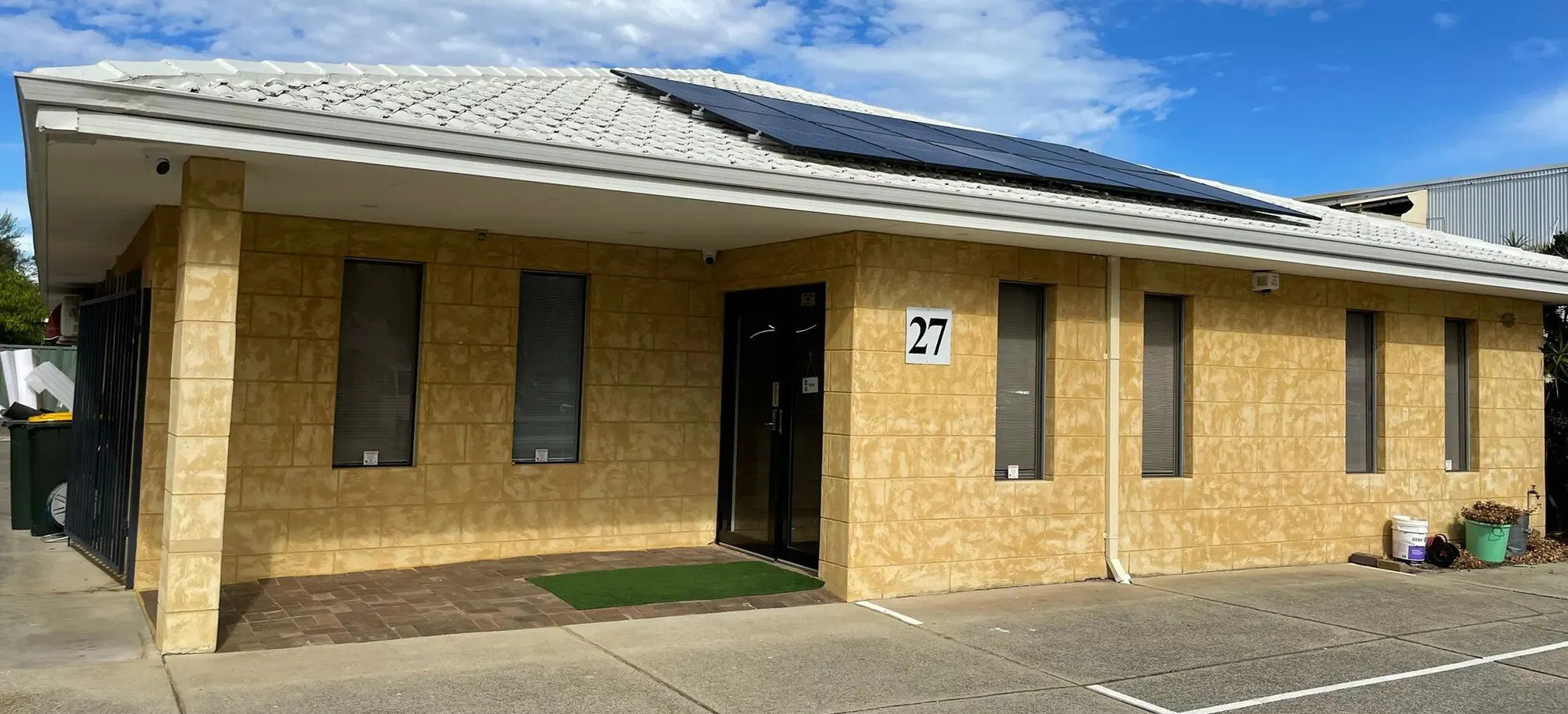
Best Treatment for Heel Pain in Willetton (Complete Guide)
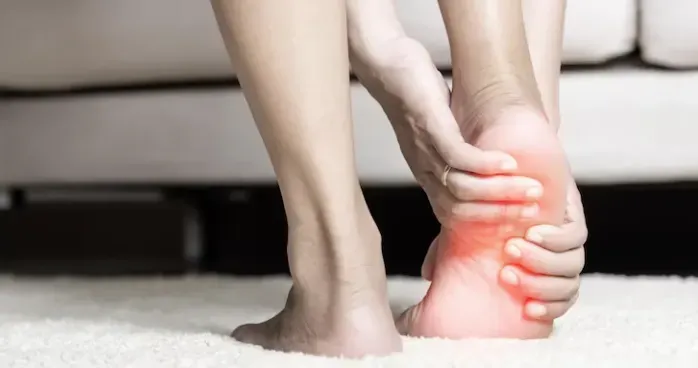
Heel pain is one of the most common reasons people visit a podiatrist. Many patients describe a sharp pain under the heel when taking their first steps in the morning, or discomfort after standing or walking for long periods.
If you are experiencing heel pain in Willetton or nearby suburbs, understanding the cause and available treatment options can help you recover faster and prevent the problem from becoming chronic.
What Causes Heel Pain?
The most common cause of heel pain is plantar fasciitis, a condition that affects the thick band of tissue (plantar fascia) that supports the arch of the foot.
This tissue can become irritated when it is repeatedly overloaded during daily activities such as walking, standing, or running.
Common causes include:
- Prolonged standing at work
- Poorly supportive footwear
- Tight calf muscles
- Flat feet or high arches
- Increased physical activity
- Sudden increase in exercise intensity
A podiatry assessment helps determine the exact cause of heel pain and guide the most appropriate treatment.
Common Symptoms of Heel Pain
People with plantar fasciitis often experience:
• Sharp pain under the heel in the morning
• Pain after periods of rest
• Discomfort after long periods of standing
• Heel tenderness when pressing the area
• Pain during walking or exercise
Early treatment can prevent symptoms from worsening.
Effective Heel Pain Treatments
Treatment for heel pain typically focuses on reducing strain on the plantar fascia and allowing the tissue to recover.
Footwear Advice
Supportive shoes can reduce stress on the heel and plantar fascia. Shoes with good arch support and cushioning are often recommended.
Stretching and Strengthening Exercises
Specific stretching exercises for the calf muscles and plantar fascia can improve flexibility and reduce tension on the heel.
Custom orthotics are shoe inserts designed to support the foot’s natural structure and improve walking mechanics.
For some patients, orthotics help reduce repeated strain on the plantar fascia and support long-term recovery.
Shockwave therapy is a modern treatment that uses acoustic energy waves to stimulate healing in injured tissues.
This therapy can help:
Improve blood circulation Stimulate tissue regeneration Reduce chronic inflammation
Shockwave therapy is often recommended when heel pain has persisted for several months and other treatments have not fully resolved the symptoms.
How Long Does Heel Pain Take to Heal?
Recovery time varies depending on the severity of the condition and how early treatment begins.
With appropriate management, many people experience improvement within several weeks. However, chronic cases may take longer and require more targeted treatment strategies.
Seeking professional assessment early can help shorten recovery time.
When Should You See a Podiatrist?
You should consider seeing a podiatrist if:
- Heel pain lasts longer than 2–3 weeks
- Pain affects your walking or daily activities
- Symptoms keep returning
- Home treatments have not helped
A podiatrist can assess the underlying cause and develop a personalised treatment plan.
Heel Pain Treatment in Willetton
At Excel Podiatry Clinic, we provide professional assessment and treatment for heel pain and plantar fasciitis.
Our clinic supports patients from Willetton and nearby suburbs including:
- Riverton
- Leeming
- Bull Creek
- Rossmoyne
- Parkwood
We focus on identifying the cause of heel pain and helping patients return to comfortable movement.
Book an Appointment
If heel pain is affecting your daily activities, professional treatment may help prevent the condition from worsening.
To learn more about heel pain treatment in Willetton, contact Excel Podiatry Clinic 0481773522 to arrange an appointment or book online.
Early treatment can make a significant difference in recovery and long-term foot health.